The Renters' Rights Act Has Changed Everything
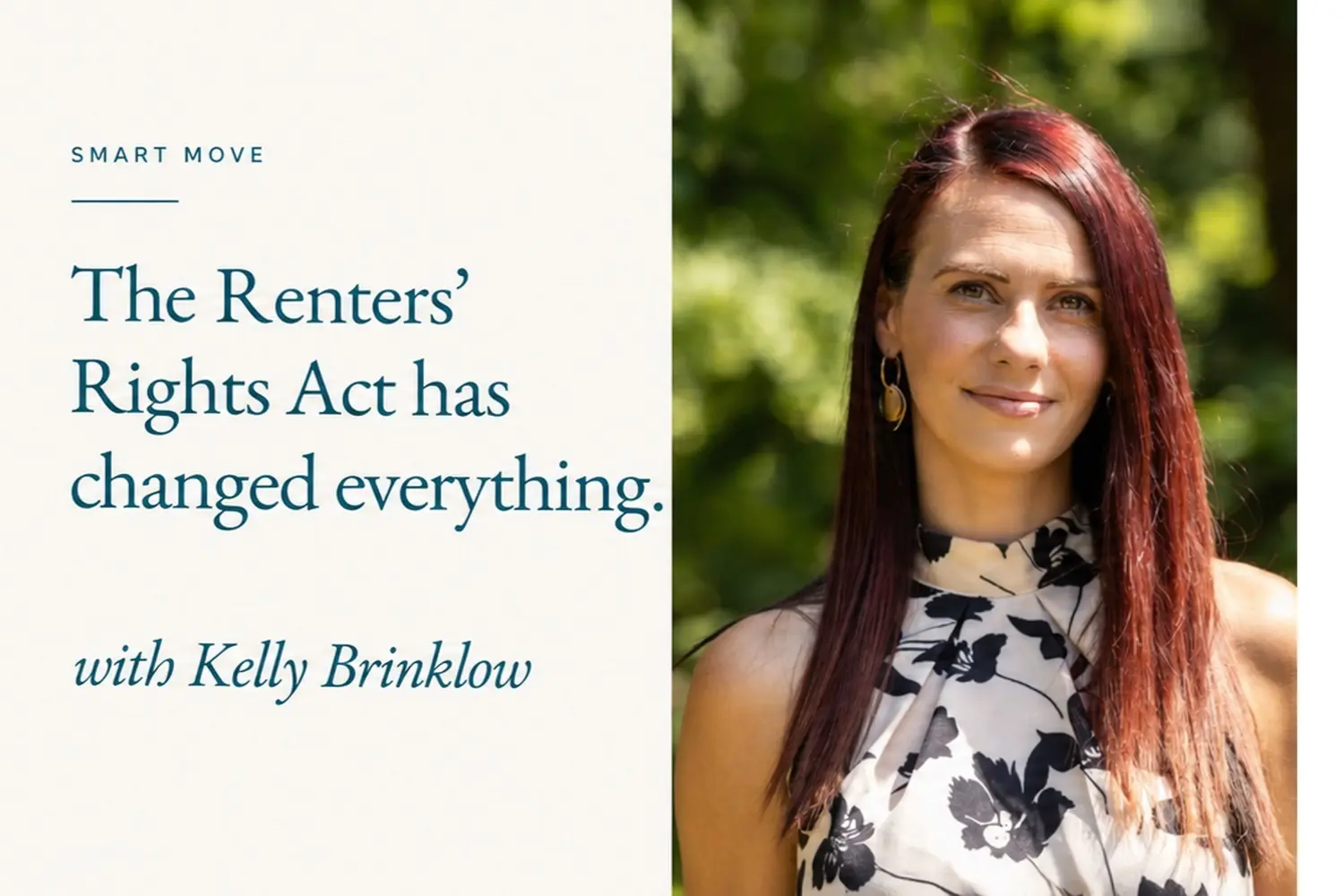
The Renters' Rights Act Has Changed Everything
Kelly Brinklow, Property Manager at Move Revolution, explains why experienced property management, clear communication and attention to detail matter more than ever.
A well-managed rental property depends on much more than finding a tenant and collecting the rent. It needs regular attention, clear communication and someone who understands both the property and the people involved.
In more than six years working across independent and corporate lettings agencies, I’ve learned that getting those everyday details right makes a considerable difference. Knowing when to follow up on a repair, recognising a concern before it develops and making sure a landlord has the information they need are all part of looking after a property properly.
The Renters’ Rights Act has brought that responsibility into sharper focus. For landlords, understanding what has changed and how it affects their tenancy is now an essential part of managing their investment.
What the Renters’ Rights Act Means for Landlords
The Act represents a significant change to private renting in England. Its first phase introduced major tenancy reforms from 1 May 2026, including the abolition of Section 21, a move to assured periodic tenancies for most private rented tenancies and changes to possession and rent increase procedures. Further measures are being introduced in stages, so it is important to distinguish between requirements already in force and those still to come.
For me, the practical priority is helping landlords understand what those changes mean for their own property. Reading a headline about legislation is one thing. Knowing which process to follow, what information to provide and when to act is where careful management becomes particularly valuable.
That means keeping tenancy information organised, reviewing processes as requirements change and ensuring landlords and tenants receive clear explanations. A landlord should feel able to ask a question and receive an answer they can understand and act on.
Good Property Management Starts Before a Problem Appears
One of the biggest misconceptions about property management is that its value becomes clear only when something
goes wrong. In my experience, much of the most useful work happens before that point.
A small maintenance issue picked up during an inspection can be investigated before it becomes more disruptive. A tenant who knows how to report a concern is more likely to raise it promptly. A landlord given a clear explanation of a repair, including the recommended next step, can make an informed decision without unnecessary delays.
There will always be unexpected issues when you own a property. The quality of the response matters: understanding what has happened, establishing what needs attention and keeping everyone informed until the matter is resolved.
That consistency helps protect the condition of the property and builds confidence in the way it is being managed.
Communication Is Central to Looking After a Property
Landlords and tenants approach a tenancy from different perspectives, and a good property manager needs to understand both.
For a landlord, the property may represent years of saving, a former family home or an important part of their future income. They want to know it is being cared for, that costs are explained and that someone is keeping an eye on the details.
For a tenant, it is their home. They want to feel comfortable reporting an issue and confident that it will receive attention.
My role is to keep that relationship working well. That involves listening carefully, explaining responsibilities and making sure the next step is clear. Sometimes it means having a straightforward conversation early, before uncertainty turns into frustration.
Even when a repair takes time to arrange, an update helps. People should know what is happening, what is outstanding and when they can expect to hear more.
Experience Helps You Ask the Right Questions
Working across both independent and corporate agencies has given me experience of different properties, tenancy situations and approaches to management.
It has also taught me the importance of looking beyond the first message or maintenance report. What information is missing? Does something need investigating further? Has the tenant understood the advice? Does the landlord have enough detail to make a decision?
Those questions help move an issue towards a useful resolution.
Experience also means recognising when specialist input is needed. A property manager brings together information from landlords, tenants, contractors and other professionals, follows up on outstanding actions and keeps a clear record along the way.
The aim is to give landlords a reliable picture of what is happening with their property, with practical advice about what needs to happen next.
Why Landlords Choose a Fully Managed Service
Managing a rental property takes time and sustained attention. Even an experienced landlord can find it difficult to fit inspections, maintenance, tenant enquiries and changing requirements around work and family life.
A fully managed service gives those responsibilities a dedicated point of contact. It provides continuity, so that a repair is followed through, an inspection leads to appropriate action and an unanswered question is picked up.
For landlords considering professional management, I would look closely at how the service works in practice:
Who will be your regular contact?
How are repairs assessed, approved and followed up?
How will you receive inspection findings and updates?
How does the team monitor compliance requirements?
What happens when an issue needs urgent attention?
The answers tell you a great deal about the support you can expect.
For many landlords, the value lies in knowing that someone understands their property and is giving it consistent attention throughout the tenancy.
Looking After the Long-Term Investment
A successful tenancy needs a property that is maintained, a tenant who can communicate easily and a landlord who understands how their investment is being looked after.
That requires a balance between responding to immediate concerns and planning ahead. Some work needs urgent attention. Other maintenance can be discussed and scheduled, helping landlords make sensible decisions about expenditure and the longer-term condition of their property.
At Move Revolution, I work alongside Sarah Monckton, Head of Property Management, and our wider lettings team to provide that ongoing support.
The legislation may change, but the principles I bring to property management remain consistent: pay attention, communicate clearly, follow things through and treat people with care. Those are the foundations of a service landlords and tenants can trust.
If you would like to discuss how your rental property is managed, find out more about Move Revolution’s property management service and speak to our team about the support you need.
Frequently Asked Questions
What does the Renters’ Rights Act mean for landlords?
The Act changes the framework for private renting in England. Key reforms include changes to tenancy structures, possession procedures and rent increases. Implementation is phased, so landlords need to check which requirements apply now and prepare for later measures as they are introduced.
What does a property manager do?
A property manager coordinates the ongoing care of a rental property. Depending on the agreed service, this can include tenant communication, maintenance coordination, inspections, compliance monitoring and tenancy administration. Keeping landlords informed and following up on outstanding matters are central parts of the role.
Why is professional property management valuable?
Professional management gives landlords dedicated support with the practical responsibilities of letting a property. An experienced manager can help identify issues early, coordinate action and explain what needs attention, while maintaining clear communication with tenants.
Is a fully managed service suitable for experienced landlords?
Yes. Experienced landlords may choose a fully managed service because they value the time it saves and the continuity it provides. The right arrangement depends on how involved a landlord wants to be and the support they need.
Does Move Revolution manage properties across Surrey, Sussex, Kent and South London?
Yes. Move Revolution Lettings supports landlords across Surrey, Sussex, Kent and South London, with services including tenant sourcing, rent collection and fully managed property services.
About the Author
Kelly Brinklow | Property Manager, Move Revolution
Kelly has more than six years of lettings experience across independent and corporate agencies, with roles spanning Lettings Negotiator through to Lettings Manager. Her expertise includes tenancy management, landlord compliance, customer service and property management. She takes a practical, personal approach to helping landlords look after their investments and supporting tenants throughout their tenancy.
About Move Revolution Lettings
Move Revolution Lettings provides lettings, property management and landlord services across Surrey, Sussex, Kent and South London. Our team supports landlords with tenant sourcing, rent collection, compliance monitoring, maintenance coordination and ongoing property management.